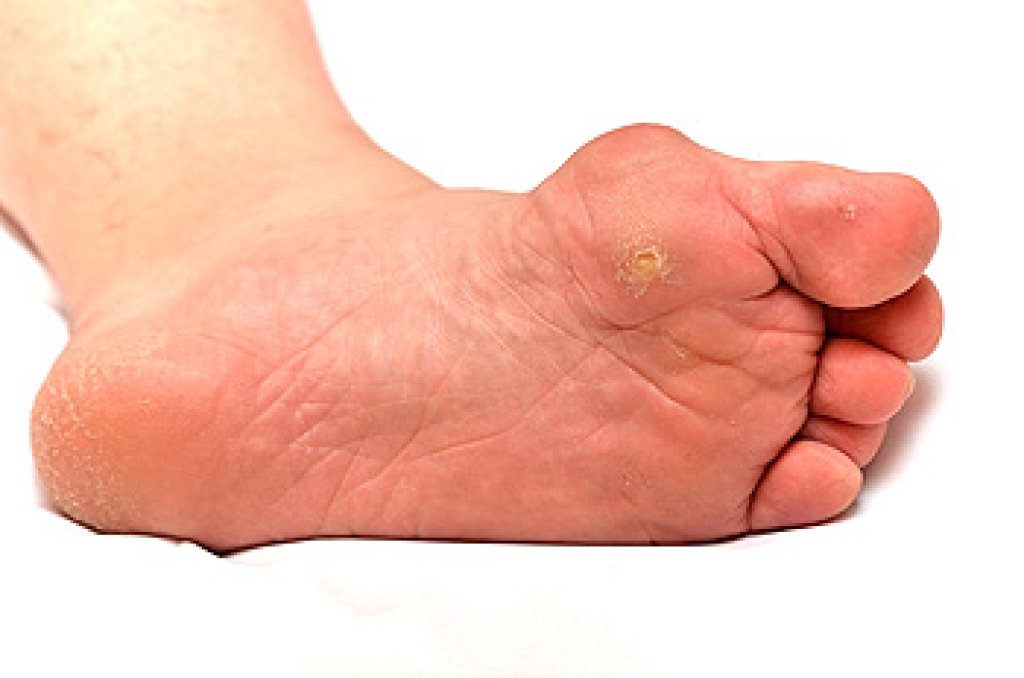
Visit our store and shop products we recommend!
like Sheboygan Foot Care follow Sheboygan Foot Care review Sheboygan Foot Care

Symptoms and Treatment for Turf Toe

Turf toe is an injury at the base of the big toe joint that happens when the toe bends too far upward. Common among football players, dancers, and other athletes, turf toe often occurs during running, jumping, or quick direction changes. These actions can strain or tear the ligaments and soft tissue surrounding the joint. Common symptoms include pain, swelling, and bruising. Stiffness and trouble pushing off while walking are other signs. A podiatrist can examine the joint and order X-rays or other imaging tests to help determine the severity of the sprain. Treatment includes taping, bracing and wearing stiff-soled shoes. In some cases, a walking boot may be prescribed to protect the toe while it heals. Gentle exercises can also aid in healing and improve strength. These include toe curls, towel scrunches, and marble pick-ups to help restore movement and support. If you have symptoms of turf toe, it is suggested that you schedule an appointment with a podiatrist for a diagnosis and appropriate treatment.

Toe pain can disrupt your daily activities. If you have any concerns, contact Steven Wolfington, DPM of Sheboygan Foot Care, LLC. Our podiatrist can provide the care you need to keep you pain-free and on your feet.

What Causes Toe Pain?

Most severe toe pain is caused due to a sports injury, trauma from dropping something heavy on the toe, or bumping into something rigid. Other problems can develop over time for various reasons.

Toe pain can be caused by one or more ailments. The most common include:

  • Trauma
  • Sports injury
  • Wearing shoes that are too tight
  • Arthritis
  • Gout
  • Corns and calluses
  • Hammertoe
  • Bunions
  • Blisters
  • Ingrown toenails
  • Sprains
  • Fractures (broken bones)
  • Dislocations

When to See a Podiatrist

  • Severe pain
  • Persistent pain that lasts more than a week
  • Signs of infection
  • Continued swelling
  • Pain that prevents walking

Diagnosis

In many cases the cause of toe pain is obvious, but in others, a podiatrist may want to use more advanced methods to determine the problem. These can range from simple visual inspections and sensation tests to X-rays and MRI scans. Prior medical history, family medical history, and any recent physical traumatic events will all be taken into consideration for a proper diagnosis.

Treatment

Treatments for toe pain and injuries vary and may include shoe inserts, padding, taping, medicines, injections, and in some cases, surgery. If you believe that you have broken a toe, please see a podiatrist as soon as possible.

If you have any questions please contact our office located in Sheboygan, WI . We offer the newest diagnostic and treatment technologies for all your foot and ankle needs.

Read more about Toe Pain

How Slip-On Shoes Can Affect the Feet

Slip-on shoes are popular for convenience, but they can affect foot health in several ways. Many styles lack proper fastening, which reduces stability and allows the foot to slide during walking. This movement can increase pressure on the toes and forefoot, leading to problems like corns, calluses, and joint strain. Some slip-on shoes also have a narrow toe box, meaning the front of the shoe squeezes the toes together. Continuous wear may contribute to deformities like bunions. In addition, without adequate support, the arch of the foot may not be properly aligned, placing extra stress on muscles, tendons, and joints. This can lead to pain, imbalance, and a higher risk of falls. A podiatrist can evaluate how wearing slip-ons affects your foot structure, gait, and alignment. If you have foot pain from wearing slip-on shoes during certain activities, it is suggested that you schedule an appointment with a podiatrist for an exam and appropriate treatment.

Getting the right shoe size is an important part of proper foot health. Seek the assistance of Steven Wolfington, DPM from Sheboygan Foot Care, LLC. Our podiatrist will provide the care you need to keep you pain-free and on your feet.

Getting the Right Shoe Size

There are many people who wear shoes that are the incorrect size, negatively affecting their feet and posture. Selecting the right shoes is not a difficult process, so long as you keep several things in mind when it comes to choosing the right pair.

  • When visiting the shoe store, use the tools available to measure your foot.
  • Be sure there is ‘wiggle room’. There should be about an inch between your toes and the tip of your shoes.
  • Do not always assume you are the same size, as manufacturers run differently.
  • Purchase shoes later in the day, as your feet swell as the day progresses.
  • If a shoe is not comfortable, it is not suitable. Most shoes can’t be ‘broken in’, and comfort should be the ultimate goal when it comes to choosing the right pair of shoes

As our feet hold our body weight and keep us moving, it is important to treat them right. Picking the right pair of shoes can provide your feet comfort and mobility without pain.

If you have any questions, please feel free to contact our office located in Sheboygan, WI . We offer the newest diagnostic and treatment technologies for all your foot care needs.

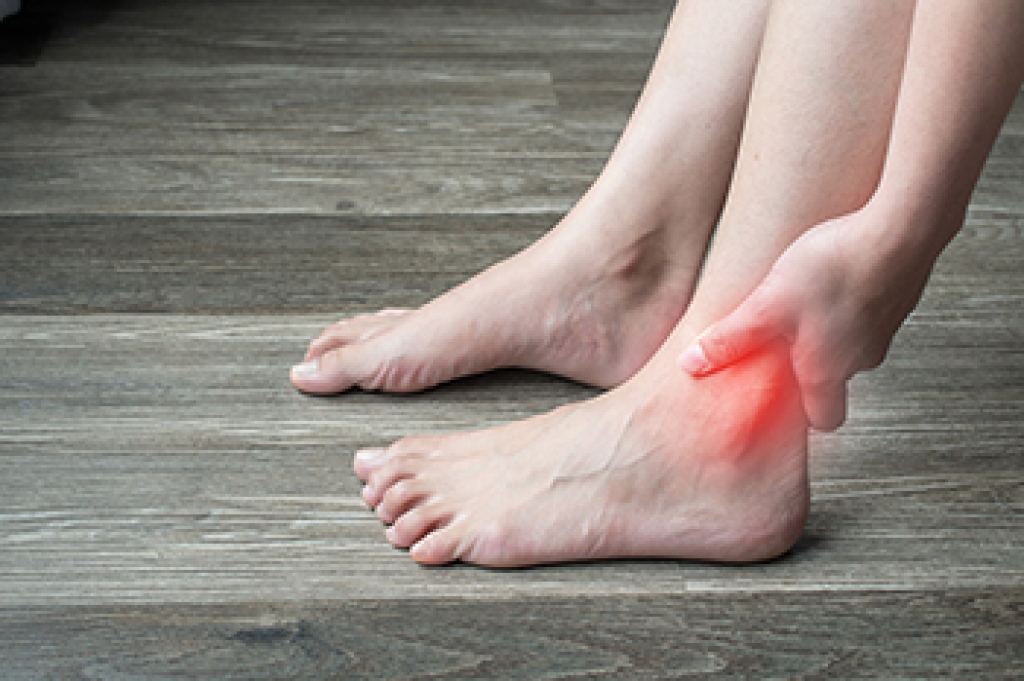
Read more about Getting the Right Shoe Size: To Keep Your Feet Happy

Why Orthotics Matter for Common Foot Conditions

Foot orthotics are designed to support proper alignment, relieve pressure, and improve overall foot function. They are often recommended for conditions like bunions and hammertoe, where abnormal structure can lead to pain and discomfort. Orthotics help redistribute weight across the foot, reducing strain on affected areas and slowing progression of deformities. There are different types available, including custom and prefabricated options, each suited to specific needs and activity levels. By improving balance and cushioning, orthotics can enhance comfort during daily activities. A podiatrist can evaluate your foot structure and recommend the most effective orthotic solution tailored to your condition. If you have foot pain or notice changes in toe alignment,it is suggested that you consult a podiatrist who can determine what type of orthotics are right for you. 

If you are having discomfort in your feet and would like to try orthotics, contact Steven Wolfington, DPM from Sheboygan Foot Care, LLC. Our podiatrist can provide the care you need to keep you pain-free and on your feet.

What Are Orthotics?

Orthotics are inserts you can place into your shoes to help with a variety of foot problems such as flat feet or foot pain. Orthotics provide relief and comfort for minor foot and heel pain but can’t correct serious biomechanical problems in your feet.

Over-the-Counter Inserts

Orthotics come in a wide variety of over-the-counter inserts that are used to treat foot pain, heel pain, and minor problems. For example, arch supports can be inserted into your shoes to help correct overarched or flat feet, while gel insoles are often used because they provide comfort and relief from foot and heel pain by alleviating pressure.

Prescription Orthotics

If over-the-counter inserts don’t work for you or if you have a more severe foot concern, it is possible to have your podiatrist prescribe custom orthotics. These high-quality inserts are designed to treat problems such as abnormal motion, plantar fasciitis, and severe forms of heel pain. They can even be used to help patients suffering from diabetes by treating foot ulcers and painful calluses and are usually molded to your feet individually, which allows them to provide full support and comfort.

If you are experiencing minor to severe foot or heel pain, it’s recommended to speak with your podiatrist about the possibilities of using orthotics. A podiatrist can determine which type of orthotic is right for you and allow you to take the first steps towards being pain-free.

If you have any questions, please feel free to contact our office located in Sheboygan, WI . We offer the newest diagnostic and treatment technologies for all your foot care needs.

Read more about Foot Orthotics

Heel Pain With the First Step

Plantar fasciitis, one of the most common causes of heel pain, occurs when the thick band of tissue along the bottom of the foot becomes irritated. This band, called the plantar fascia, supports the arch and absorbs stress during walking. When it becomes strained, small tears and inflammation can develop. Many patients notice a sharp pain in the heel with the first steps in the morning or after periods of rest. The discomfort may improve slightly with movement but often returns after long periods of standing, walking, or exercise. The heel may feel tender to the touch and the bottom of the foot can feel tight or sore. Causes may include overuse, tight calf muscles, flat feet, or footwear that lacks support. A podiatrist can diagnose plantar fasciitis through examination and imaging when needed. Treatment may include supportive shoes, custom orthotics, anti-inflammatory care, and targeted exercises. When conservative care fails, surgery may be considered. Most patients can bear limited weight in a boot shortly after surgery, with gradual return to walking over several weeks. If you have symptoms of plantar fasciitis, it is suggested that you make an appointment with a podiatrist.

Plantar fasciitis can be very painful and inconvenient. If you are experiencing heel pain or symptoms of plantar fasciitis, contact Steven Wolfington, DPM  from Sheboygan Foot Care, LLC. Our podiatrist can provide the care you need to keep you pain-free and on your feet.

What Is Plantar Fasciitis?

Plantar fasciitis is the inflammation of the thick band of tissue that runs along the bottom of your foot, known as the plantar fascia, and causes mild to severe heel pain.

What Causes Plantar Fasciitis?

  • Excessive running
  • Non-supportive shoes
  • Overpronation
  • Repeated stretching and tearing of the plantar fascia

How Can It Be Treated?

  • Conservative measures – anti-inflammatories, ice packs, stretching exercises, physical therapy, orthotic devices
  • Shockwave therapy – sound waves are sent to the affected area to facilitate healing and are usually used for chronic cases of plantar fasciitis
  • Surgery – usually only used as a last resort when all else fails. The plantar fascia can be surgically detached from the heel

While very treatable, plantar fasciitis is definitely not something that should be ignored. Especially in severe cases, speaking to your doctor right away is highly recommended to avoid complications and severe heel pain. Your podiatrist can work with you to provide the appropriate treatment options tailored to your condition.

If you have any questions, please feel free to contact our office located in Sheboygan, WI . We offer the newest diagnostic and treatment technologies for all your foot care needs.
Read more about Plantar Fasciitis

Wounds That Don't Heal Need to Be Checked

Your feet are covered most of the day. If you're diabetic, periodic screening is important for good health. Numbness is often a sign of diabetic foot and can mask a sore or wound.