Visit our store and shop products we recommend!
like Sheboygan Foot Care follow Sheboygan Foot Care review Sheboygan Foot Care

Causes of a Broken Toe

A broken toe is a fracture in one of the small bones of the toe, often caused by trauma, prolonged repetitive movements, weakened bones, or wearing improper shoes that do not provide adequate protection. Symptoms include pain, swelling, bruising, changes in skin color, and visible deformity of the affected toe. Ignoring a broken toe can lead to chronic pain, difficulty walking, and long- term joint issues. A podiatrist can accurately diagnose the fracture through physical examination and imaging, provide proper stabilization, recommend pain management, and guide rehabilitation to restore normal function. If you think you have broken your toe, it is suggested that you consult a podiatrist who can offer effective relief and treatment solutions.

A broken toe can be very painful and lead to complications if not properly fixed. If you have any concerns about your feet, contact Steven Wolfington, DPM from Sheboygan Foot Care, LLC. Our podiatrist will treat your foot and ankle needs.

What to Know About a Broken Toe

Although most people try to avoid foot trauma such as banging, stubbing, or dropping heavy objects on their feet, the unfortunate fact is that it is a common occurrence. Given the fact that toes are positioned in front of the feet, they typically sustain the brunt of such trauma. When trauma occurs to a toe, the result can be a painful break (fracture).

Symptoms of a Broken Toe

  • Throbbing pain
  • Swelling
  • Bruising on the skin and toenail
  • The inability to move the toe
  • Toe appears crooked or disfigured
  • Tingling or numbness in the toe

Generally, it is best to stay off of the injured toe with the affected foot elevated.

Severe toe fractures may be treated with a splint, cast, and in some cases, minor surgery. Due to its position and the pressure it endures with daily activity, future complications can occur if the big toe is not properly treated.

If you have any questions, please feel free to contact our office located in Sheboygan, WI . We offer the newest diagnostic and treatment technologies for all your foot care needs.
Read more about What to Know About a Broken Toe

It's Time for Beautiful Feet

You don't need an excuse to have beautiful nails. Step outside without worrying about the appearance of your feet.

When Every Step Hurts

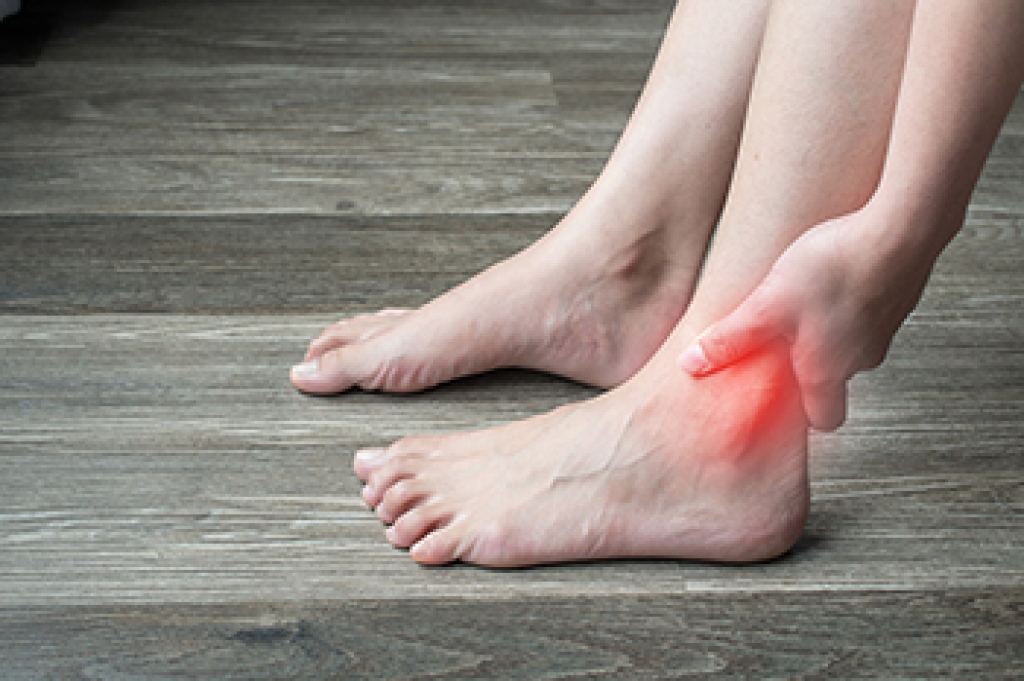
Heel pain is a common problem that can result from conditions, such as plantar fasciitis or Achilles tendonitis. Plantar fasciitis often causes sharp pain at the bottom of the heel, especially with the first steps in the morning or after prolonged sitting. Achilles tendonitis typically produces pain at the back of the heel and along the tendon, often worsening with activity or when climbing stairs. These conditions can develop from repetitive stress, improper footwear, or sudden increases in physical activity, and may make walking, running, or standing uncomfortable. The heel may appear slightly swollen or red, while the affected area feels tender and stiff. A podiatrist can help by performing a thorough examination, using imaging if needed, and recommending targeted exercises, orthotics, or other treatments to reduce inflammation and improve mobility. If you have heel pain, it is suggested that you make an appointment with a podiatrist.

Many people suffer from bouts of heel pain. For more information, contact Steven Wolfington, DPM of Sheboygan Foot Care, LLC. Our podiatrist can provide the care you need to keep you pain-free and on your feet.

Causes of Heel Pain

Heel pain is often associated with plantar fasciitis. The plantar fascia is a band of tissues that extends along the bottom of the foot. A rip or tear in this ligament can cause inflammation of the tissue.

Achilles tendonitis is another cause of heel pain. Inflammation of the Achilles tendon will cause pain from fractures and muscle tearing. Lack of flexibility is also another symptom.

Heel spurs are another cause of pain. When the tissues of the plantar fascia undergo a great deal of stress, it can lead to ligament separation from the heel bone, causing heel spurs.

Why Might Heel Pain Occur?

  • Wearing ill-fitting shoes                
  • Wearing non-supportive shoes
  • Weight change           
  • Excessive running

Treatments

Heel pain should be treated as soon as possible for immediate results. Keeping your feet in a stress-free environment will help. If you suffer from Achilles tendonitis or plantar fasciitis, applying ice will reduce the swelling. Stretching before an exercise like running will help the muscles. Using all these tips will help make heel pain a condition of the past.

If you have any questions, please feel free to contact our office located in Sheboygan, WI . We offer the newest diagnostic and treatment technologies for all your foot care needs.

Read more about Heel Pain

Podiatric Treatment for Athlete’s Foot

Athlete’s foot is a common fungal skin infection that affects the feet, especially between the toes, and thrives in warm, moist environments. Symptoms may include itching, burning, redness, peeling skin, cracking, and discomfort that can worsen with sweating. Causes often involve exposure to fungi in locker rooms, public showers, or shared footwear. Risk factors include excessive sweating, wearing tight or non- breathable shoes, weakened immunity, and prolonged damp conditions. A podiatrist can help by accurately diagnosing the infection, prescribing effective antifungal treatments, and providing guidance on proper foot hygiene and prevention. Early care can prevent the infection from spreading or recurring. If you notice persistent foot irritation or scaling, it is suggested that you consult a podiatrist who can offer effective treatment solutions, which may include prescribed medication.

Athlete’s Foot

Athlete’s foot is often an uncomfortable condition to experience. Thankfully, podiatrists specialize in treating athlete’s foot and offer the best treatment options. If you have any questions about athlete’s foot, consult with Steven Wolfington, DPM from Sheboygan Foot Care, LLC. Our podiatrist will assess your condition and provide you with quality treatment.

What Is Athlete’s Foot?

Tinea pedis, more commonly known as athlete’s foot, is a non-serious and common fungal infection of the foot. Athlete’s foot is contagious and can be contracted by touching someone who has it or infected surfaces. The most common places contaminated by it are public showers, locker rooms, and swimming pools. Once contracted, it grows on feet that are left inside moist, dark, and warm shoes and socks.

Prevention

The most effective ways to prevent athlete’s foot include:

  • Thoroughly washing and drying feet
  • Avoid going barefoot in locker rooms and public showers
  • Using shower shoes in public showers
  • Wearing socks that allow the feet to breathe
  • Changing socks and shoes frequently if you sweat a lot

Symptoms

Athlete’s foot initially occurs as a rash between the toes. However, if left undiagnosed, it can spread to the sides and bottom of the feet, toenails, and if touched by hand, the hands themselves. Symptoms include:

  • Redness
  • Burning
  • Itching
  • Scaly and peeling skin

Diagnosis and Treatment

Diagnosis is quick and easy. Skin samples will be taken and either viewed under a microscope or sent to a lab for testing. Sometimes, a podiatrist can diagnose it based on simply looking at it. Once confirmed, treatment options include oral and topical antifungal medications.

If you have any questions, please feel free to contact our office located in Sheboygan, WI . We offer the newest diagnostic and treatment technologies for all your foot care needs.
Read more about How to Deal with Athlete's Foot

Understanding Curved Nails

Curved nails are a condition where the nail plate bends inward as it grows, creating a rounded or pinched appearance at the edges. This differs from ingrown toenails, which occur when the nail edge breaks into the surrounding skin and causes inflammation. Curved nails may develop due to genetic tendencies, repetitive pressure, fungal infection, or underlying medical issues such as a thyroid disorder. Symptoms often include nail thickening, discoloration, tenderness, and difficulty trimming the nail properly. Risk factors include poor circulation, wearing improper footwear, chronic moisture, and systemic health conditions. A podiatrist can evaluate the nail structure, treat fungal causes, address contributing health concerns, and provide safe nail care solutions. If curved or ingrown nails are causing discomfort, it is suggested that you consult a podiatrist who can provide effective relief solutions.

Ingrown toenails can become painful if they are not treated properly. For more information about ingrown toenails, contact Steven Wolfington, DPM of Sheboygan Foot Care, LLC. Our podiatrist can provide the care you need to keep you pain-free and on your feet.

Ingrown Toenails

Ingrown toenails occur when a toenail grows sideways into the bed of the nail, causing pain, swelling, and possibly infection.

Causes

  • Bacterial infections
  • Improper nail cutting such as cutting it too short or not straight across
  • Trauma to the toe, such as stubbing, which causes the nail to grow back irregularly
  • Ill-fitting shoes that bunch the toes too close together
  • Genetic predisposition

Prevention

Wearing proper fitting shoes and using proper cutting techniques will also help decrease your risk of developing ingrown toenails.

Treatment

Ingrown toenails are a very treatable foot condition. In minor cases, soaking the affected area in salt or antibacterial soaps will not only help with the ingrown nail itself, but also help prevent any infections from occurring. In more severe cases, surgery is an option. In either case, speaking to your podiatrist about this condition will help you get a better understanding of specific treatment options that are right for you.

If you have any questions, please feel free to contact our office located in Sheboygan, WI . We offer the newest diagnostic and treatment technologies for all your foot care needs.

Read more about Ingrown Toenail Care