Visit our store and shop products we recommend!
like Sheboygan Foot Care follow Sheboygan Foot Care review Sheboygan Foot Care

Diabetic Neuropathy and How Laser Therapy Supports Nerve Health

Diabetic neuropathy is a nerve-related condition caused by prolonged high blood sugar levels that damage peripheral nerves, especially in the feet. This condition often develops gradually and can affect sensation, balance, and overall foot function. Reduced blood flow and metabolic changes contribute to nerve injury, making early detection important for preventing complications.

Common symptoms include tingling, burning, numbness, and sharp pain in the feet. Some individuals report weakness or a heavy feeling that affects walking. Loss of sensation is a serious concern, because it increases the risk of unnoticed injuries. Skin changes, temperature sensitivity, and delayed healing may also be present. These symptoms can vary in intensity and often worsen over time without proper care.


Risk factors include long-term diabetes, poor blood sugar control, and a sedentary lifestyle. Smoking and vascular disease can further reduce circulation, increasing nerve damage. The underlying cause involves both metabolic and vascular changes that impair nerve function. Over time, nerves lose their ability to send signals effectively, leading to the symptoms associated with neuropathy.


Low-level laser therapy is a non-invasive treatment that uses specific wavelengths of light to stimulate cellular repair and improve circulation. This therapy may help reduce pain, support nerve regeneration, and enhance tissue healing. Improved blood flow delivers oxygen and nutrients that are essential for nerve health. Combined with proper foot care and glucose management, it can play a supportive role in treatment. If you are experiencing neuropathy from diabetes, it is suggested that you are under the care of a podiatrist who can discuss the benefits of this type of therapy with you.

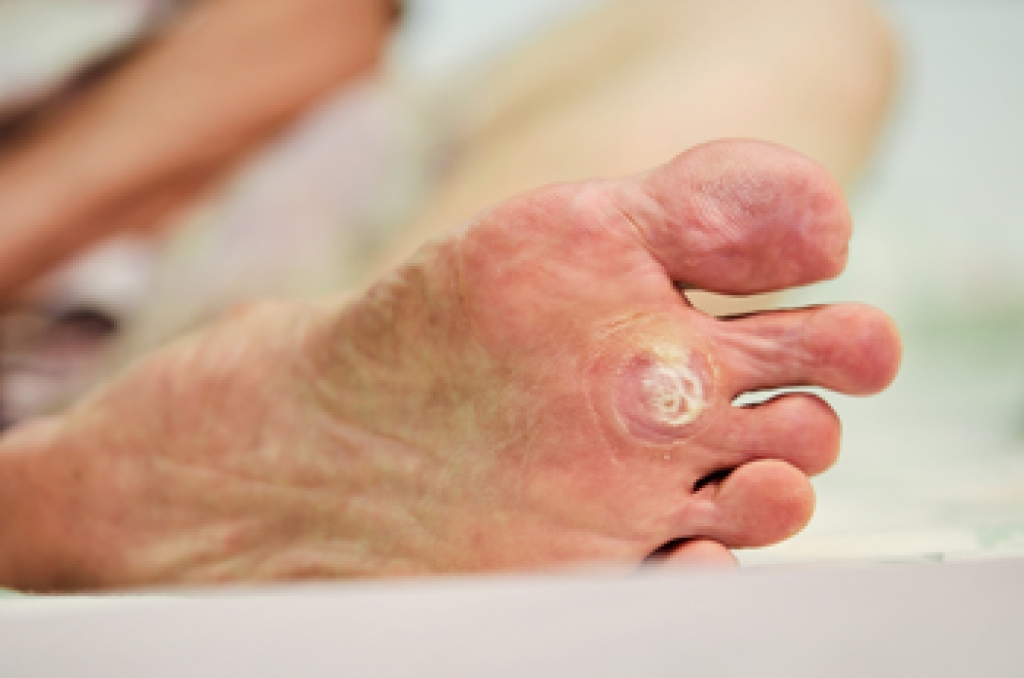
Neuropathy

Neuropathy can be a potentially serious condition, especially if it is left undiagnosed. If you have any concerns that you may be experiencing nerve loss in your feet, consult with Steven Wolfington, DPM from Sheboygan Foot Care, LLC. Our podiatrist will assess your condition and provide you with quality foot and ankle treatment for neuropathy.

What Is Neuropathy?

Neuropathy is a condition that leads to damage to the nerves in the body. Peripheral neuropathy, or neuropathy that affects your peripheral nervous system, usually occurs in the feet. Neuropathy can be triggered by a number of different causes. Such causes include diabetes, infections, cancers, disorders, and toxic substances.

Symptoms of Neuropathy Include:

  • Numbness
  • Sensation loss
  • Prickling and tingling sensations
  • Throbbing, freezing, burning pains
  • Muscle weakness

Those with diabetes are at serious risk due to being unable to feel an ulcer on their feet. Diabetics usually also suffer from poor blood circulation. This can lead to the wound not healing, infections occurring, and the limb may have to be amputated.

Treatment

To treat neuropathy in the foot, podiatrists will first diagnose the cause of the neuropathy. Figuring out the underlying cause of the neuropathy will allow the podiatrist to prescribe the best treatment, whether it be caused by diabetes, toxic substance exposure, infection, etc. If the nerve has not died, then it’s possible that sensation may be able to return to the foot.

Pain medication may be issued for pain. Electrical nerve stimulation can be used to stimulate nerves. If the neuropathy is caused from pressure on the nerves, then surgery may be necessary.

If you have any questions, please feel free to contact our office located in Sheboygan, WI . We offer the newest diagnostic and treatment technologies for all your foot care needs.

Read more about Neuropathy

Broken Toe Diagnosis and Recovery

A broken toe occurs when one of the small bones in a toe fractures. This injury can happen after stubbing a toe, dropping a heavy object on the foot, or experiencing a sports-related accident. While some people assume a broken toe is a minor problem, it can cause significant discomfort and interfere with daily activities. Common broken toe symptoms include pain, swelling, bruising, tenderness, and difficulty walking. In some cases, the affected toe may appear crooked or out of alignment. Because these symptoms can also occur with a severe sprain, a professional evaluation is often needed to determine whether a toe fracture is present.


The severity of a broken toe can vary depending on the location and type of fracture. Some fractures involve a small crack in the bone, while others may cause the bone to shift out of place. A broken toe can make it difficult to wear shoes comfortably and may affect balance while walking. Without proper treatment, certain fractures may heal incorrectly, leading to ongoing pain, stiffness, or changes in toe position. Imaging studies such as X-rays are commonly used to confirm the diagnosis and evaluate the extent of the injury. Early diagnosis is important because it helps guide treatment decisions and supports proper healing.


A podiatrist is a foot and ankle specialist who can diagnose and treat broken toe injuries. During an examination, the podiatrist will assess symptoms, evaluate the alignment of the toe, and review imaging results to determine the most appropriate treatment plan. Depending on the severity of the fracture, treatment may involve immobilization, protective footwear, fracture management, or surgical care when necessary. Follow-up care is often important to ensure the bone heals correctly and normal foot function is restored. If you are experiencing toe pain, swelling, bruising, difficulty walking, or other signs of a broken toe, it is suggested that you consult a podiatrist for an evaluation and appropriate treatment options.

Broken toes may cause a lot of pain and should be treated as soon as possible. If you have any concerns about your feet, contact Steven Wolfington, DPM from Sheboygan Foot Care, LLC. Our podiatrist will treat your foot and ankle needs.

What Is a Broken Toe?

A broken toe occurs when one or more of the toe bones of the foot are broken after an injury. Injuries such as stubbing your toe or dropping a heavy object on it may cause a toe fracture.

Symptoms of a Broken Toe

  • Swelling
  • Pain (with/without wearing shoes)
  • Stiffness
  • Nail Injury

Although the injured toe should be monitored daily, it is especially important to have a podiatrist look at your toe if you have severe symptoms. Some of these symptoms include worsening or new pain that is not relieved with medication, sores, redness, or open wounds near the toe.

If you have any questions please feel free to contact our office located in Sheboygan, WI . We offer the newest diagnostic tools and technology to treat your foot and ankle needs.

Read more about What to Know About a Broken Toe

Causes for Top of the Foot Pain

Pain on the top of the foot can develop for several reasons and can make daily activities uncomfortable. One common cause is irritation of the tendons that run along the top of the foot and help lift the toes. This can result from repetitive movement, increased activity, or wearing tight shoes that place pressure on the foot. People often notice aching pain, tenderness, and mild swelling that becomes worse when walking. Arthritis, another possible cause, affects the joints and can lead to pain, stiffness, and reduced movement in the foot. Pain on the top of the foot can also occur when the joints in the middle of the foot become irritated or worn.

Nerve-related problems can also lead to pain on the top of the foot. Peripheral neuropathy, which is nerve damage, can create burning, tingling, or numb feelings. Diabetes is a common cause of this condition. Other causes include vitamin deficiencies and poor circulation. Gout is a form of arthritis caused by a buildup of crystals in joints. Symptoms include sudden pain, redness, and swelling. Some people with gout experience severe discomfort that makes wearing shoes painful.

Injuries are another cause of pain on the top of the foot. Stress fractures are small cracks in a bone that can develop from repeated impact. Midfoot injuries can damage bones and ligaments in the center of the foot. Ligaments are strong bands of tissue that connect bones. These injuries can cause swelling, bruising, and pain when standing or walking. A podiatrist can determine the cause of top-of-foot pain through a physical examination and imaging tests, such as X-rays or MRI scans. Early diagnosis can help prevent further damage and improve comfort while walking. If you have pain in the top of your foot, it is suggested that you make an appointment with a podiatrist for an exam and diagnosis.

Foot Pain

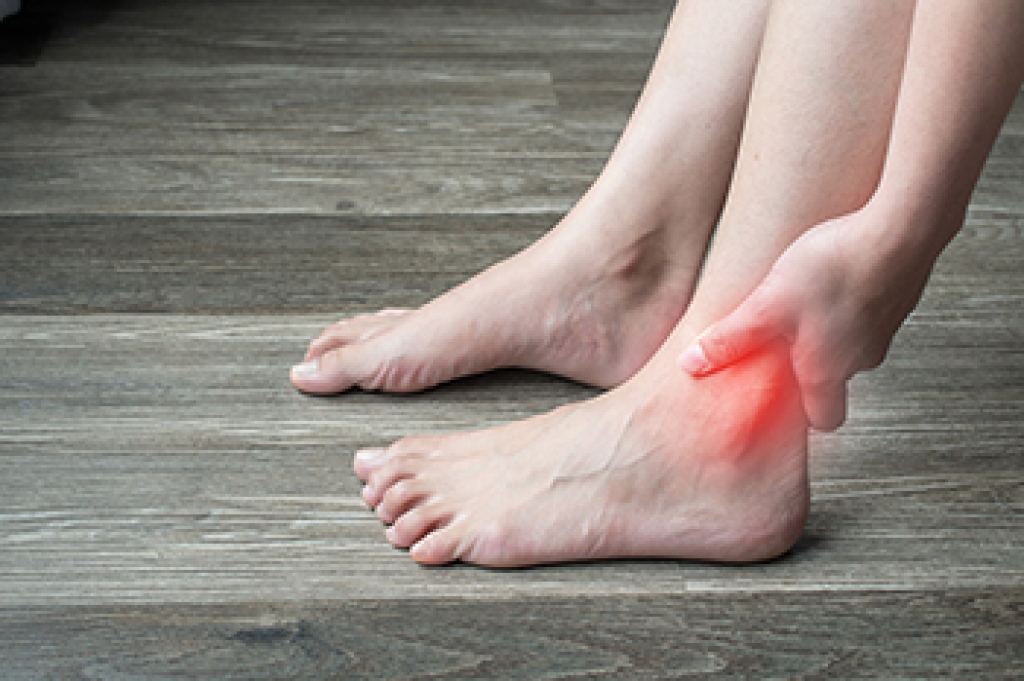
Foot pain can be extremely painful and debilitating. If you have a foot pain, consult with Steven Wolfington, DPM from Sheboygan Foot Care, LLC. Our podiatrist will assess your condition and provide you with quality foot and ankle treatment.

Causes

Foot pain is a very broad condition that could be caused by one or more ailments. The most common include:

  • Bunions
  • Hammertoes
  • Plantar Fasciitis
  • Bone Spurs
  • Corns
  • Tarsal Tunnel Syndrome
  • Ingrown Toenails
  • Arthritis (such as Gout, Rheumatoid, and Osteoarthritis)
  • Flat Feet
  • Injury (from stress fractures, broken toe, foot, ankle, Achilles tendon ruptures, and sprains)
  • And more

Diagnosis

To figure out the cause of foot pain, podiatrists utilize several different methods. This can range from simple visual inspections and sensation tests to X-rays and MRI scans. Prior medical history, family medical history, and any recent physical traumatic events will all be taken into consideration for a proper diagnosis.

Treatment

Treatment depends upon the cause of the foot pain. Whether it is resting, staying off the foot, or having surgery; podiatrists have a number of treatment options available for foot pain.

If you have any questions, please feel free to contact our office located in Sheboygan, WI . We offer the newest diagnostic and treatment technologies for all your foot care needs.
Read more about Foot Pain

Why Live with Pain and Numbness in Your Feet?

Suffering from this type of pain? You may have the foot condition known as Morton's neuroma. Morton's neuroma may develop as a result of ill-fitting footwear and existing foot deformities. We can help.

Foot Pain and Running Injuries

Running injuries in the foot and ankle often develop as repetitive stress is placed on muscles, tendons, and joints without proper preparation or recovery. These injuries can appear as pain in the heel, arch, Achilles tendon, or ankle, and may begin as mild discomfort before becoming more persistent. Common causes include sudden increases in mileage, poor running mechanics, weak supporting muscles, and inadequate footwear. Learning from experienced runners and training smarter by building endurance gradually can reduce the risk of injury. Strength and flexibility imbalances also play a role in how the body absorbs impact during running. A podiatrist can evaluate foot structure, analyze gait patterns, and identify early signs of strain before they become more serious problems. If you have sustained a foot or ankle injury from running, it is suggested that you consult a podiatrist to discuss effective relief and prevention tips.

All runners should take extra precaution when trying to avoid injury. If you have any concerns about your feet, contact Steven Wolfington, DPM of Sheboygan Foot Care, LLC. Our podiatrist will treat your foot and ankle needs.

How to Prevent Running Injuries

There are a lot of mistakes a runner can make prior to a workout that can induce injury. A lot of athletes tend to overstretch before running, instead of saving those workouts for a post-run routine. Deep lunges and hand-to-toe hamstring pulls should be performed after a workout instead of during a warmup. Another common mistake is jumping into an intense routine before your body is physically prepared for it. You should try to ease your way into long-distance running instead of forcing yourself to rush into it.

More Tips for Preventing Injury

  • Incorporate Strength Training into Workouts - This will help improve the body’s overall athleticism
  • Improve and Maintain Your Flexibility – Stretching everyday will help improve overall performance
  • “Warm Up” Before Running and “Cool Down” Afterward – A warm up of 5-10 minutes helps get rid of lactic acid in the muscles and prevents delayed muscle soreness
  • Cross-Training is Crucial
  • Wear Proper Running Shoes
  • Have a Formal Gait Analysis – Poor biomechanics can easily cause injury

If you have any questions, please feel free to contact our office located in Sheboygan, WI . We offer the newest diagnostic and treatment technologies for all your foot care needs.

Read more about How to Prevent Running Injuries